

Handling customer calls efficiently is essential for businesses that want to maintain strong communication and responsiveness. Live answering services and AI call systems offer two different approaches to managing incoming calls, each with its own advantages. While live agents provide a human touch with personalized interactions, AI systems focus on automation, speed, and scalability. HVAC Answering Service often weigh factors such as customer experience, cost, and availability when choosing between these solutions. Understanding how each system operates helps companies select the best fit for their needs. This article explores the key differences between live answering services and AI call systems and how they impact customer communication.
Differences in Communication Style and Interaction
Communication style varies significantly between the two systems. Live answering services provide conversational interactions that can adapt naturally to tone, context, and unexpected questions. Human operators can adjust their responses based on subtle cues and provide a more personalized experience. AI call systems follow predefined scripts or programmed logic that guide their responses to specific inputs. While they can simulate conversation, their responses are limited by the data and rules they are designed to follow. This difference influences how callers perceive the interaction and how effectively their needs are addressed.
Handling Complexity and Unpredictable Requests
The ability to manage complex or unpredictable requests highlights another key difference. Live answering services can interpret nuanced situations, ask clarifying questions, and adjust their approach as needed. This flexibility allows them to handle a broader range of scenarios that may not follow a predictable pattern. AI call systems are effective for structured, repetitive tasks, such as directing calls or providing basic information. However, they may struggle with situations that require interpretation beyond their programmed capabilities. This contrast reflects how each system approaches problem-solving during interactions.
Consistency and Operational Efficiency

AI call systems are designed to deliver consistent responses across all interactions because they operate according to predefined rules. This consistency ensures that information is delivered consistently regardless of call volume or timing. Live answering services, while adaptable, may introduce variations in communication depending on the individual operator and circumstances. However, human operators can adjust their responses to better suit specific situations. The balance between consistency and adaptability illustrates how each system contributes to operational efficiency in different ways.
Scalability and Availability of Service
Scalability and availability differ between live answering services and AI call systems due to their operational structure. AI systems can handle multiple calls simultaneously without being limited by human capacity, making them highly scalable. They can operate continuously, providing consistent availability at all times. Live answering services depend on staffing levels, which can influence how many calls are managed at once and during specific hours. While they offer personalized interaction, their scalability is tied to human resources. This distinction highlights how each system manages demand and availability.
Live answering services and AI call systems differ in their reliance on human interaction versus automated processing, as well as their approach to communication, complexity, consistency, and scalability. Live services offer adaptability and personalized engagement, while AI systems provide efficiency and continuous availability. Understanding these differences clarifies how each system functions within communication management and how they shape the experience of handling incoming calls.… Read the rest









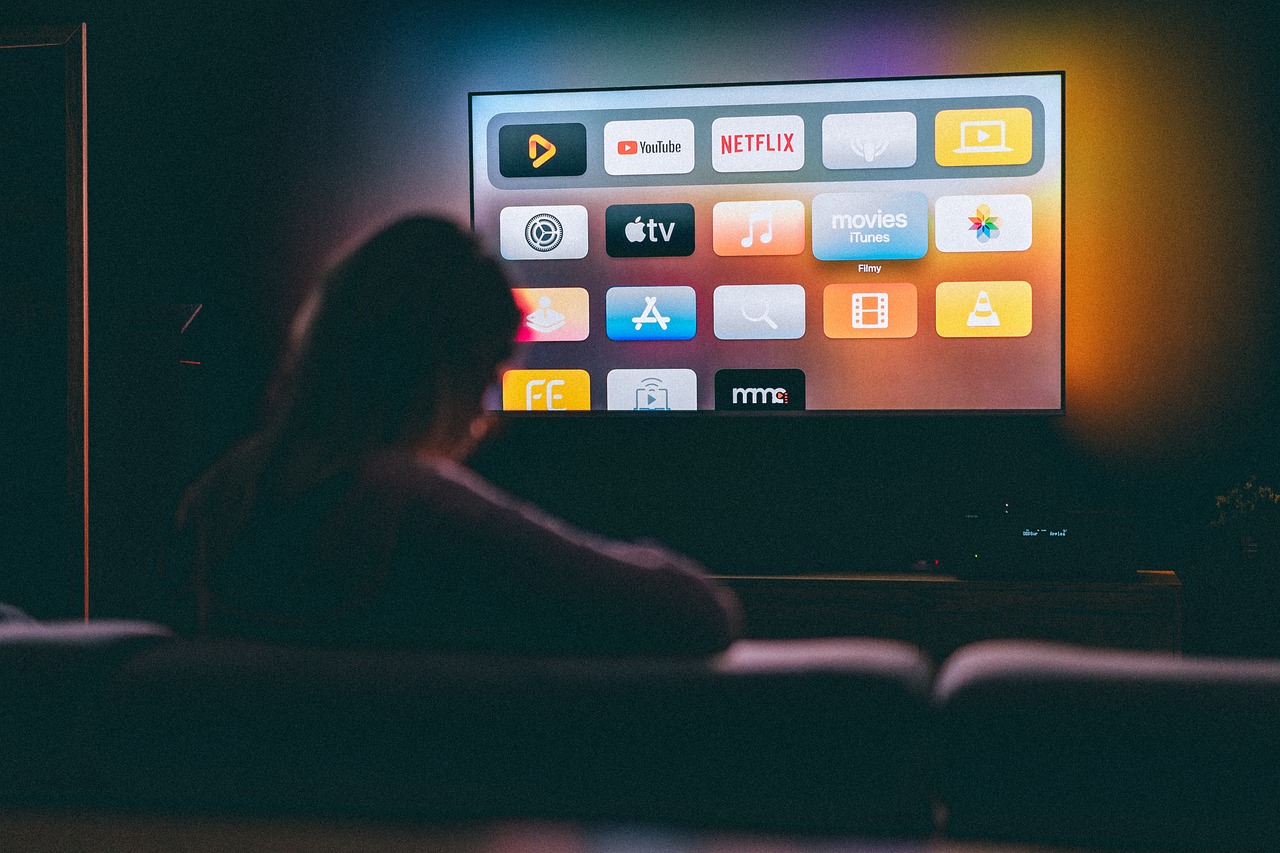


 As cable TV providers continue to raise prices, many consumers turn to streaming services as a more affordable alternative. Netflix, Hulu, and Amazon Prime Video offer monthly plans significantly cheaper than most cable TV packages. Transitioning to a streaming service is worth considering if you desire to reduce your spending on entertainment. The same TV series and films you watch on cable TV are available without costing as much every month.

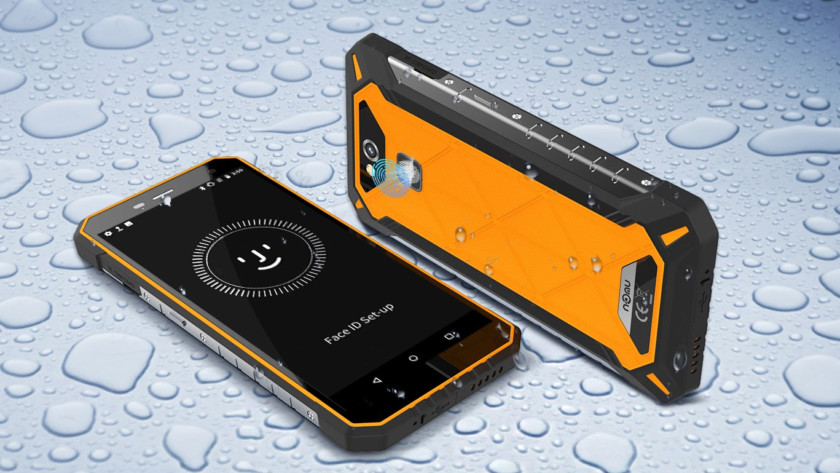
 Finally, another sign that it’s time to upgrade your smartphone is when the design of your device starts to feel outdated. This can include a bulky and heavy design, a lack of a modern design like a bezel-less display, or a lack of protection against water and dust. If you are self-conscious about your device’s design or if it is no longer meeting your needs, it may be time to upgrade. If you’re experiencing any of these signs with your current device, it may be time to start shopping for a new one.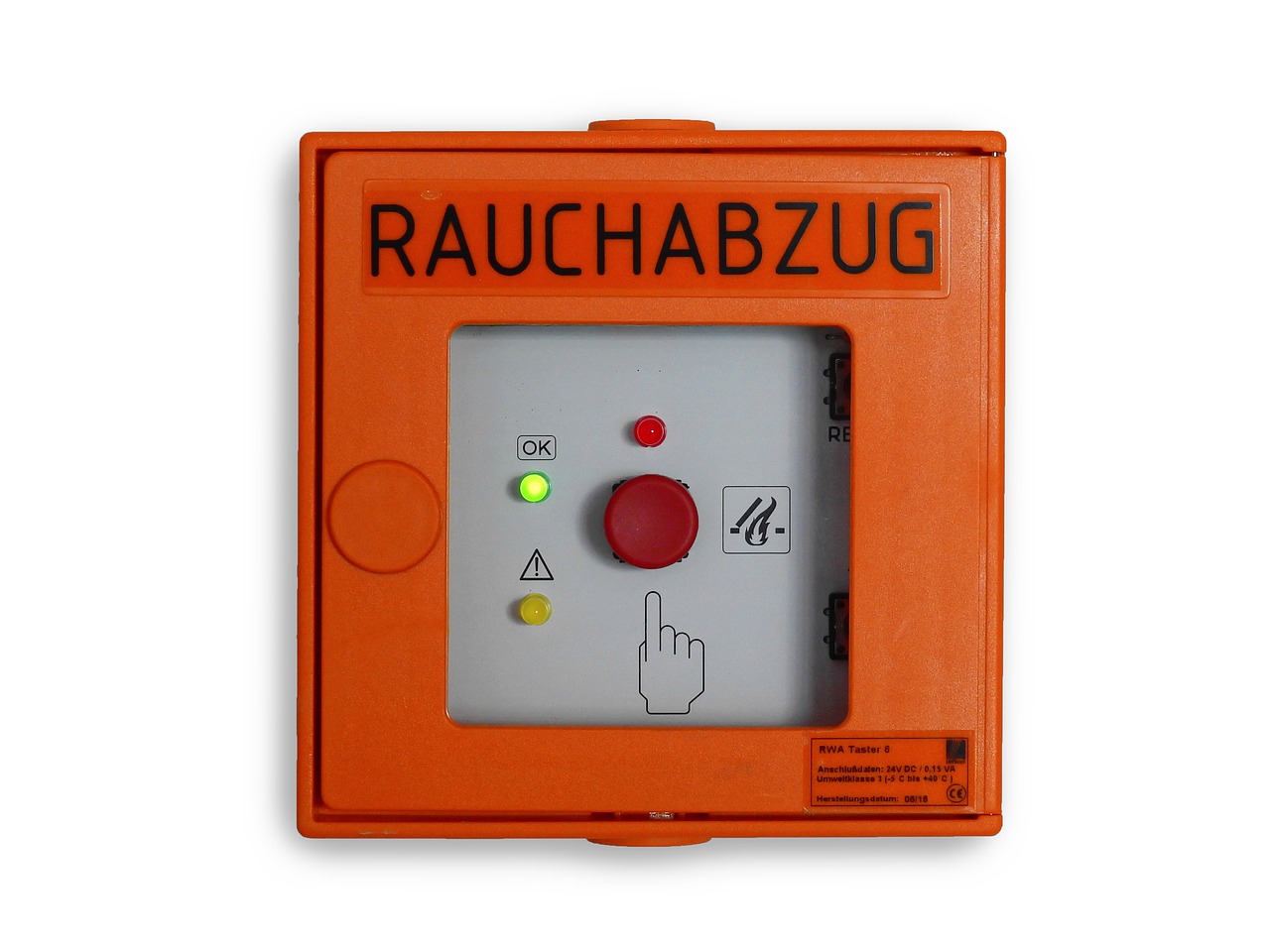
 Conventional alarm systems are the traditional types of fire alarms. This fire alarm system works by sending out an electrical signal to all building areas, which then triggers a loud noise or siren. The primary purpose of this type is to notify everyone in case there’s a problem to evacuate safely. This system is usually installed with other devices such as smoke detectors and heat sensors.
 The wireless fire alarm system is the most common type used today. This type works by connecting wireless devices that can communicate without any need for wiring or switches. The main advantage of this is flexibility, so different parts of the system can be easily added and customized if needed, making it very versatile. You can plug many new devices such as cameras, speakers, and motion detectors into the system.



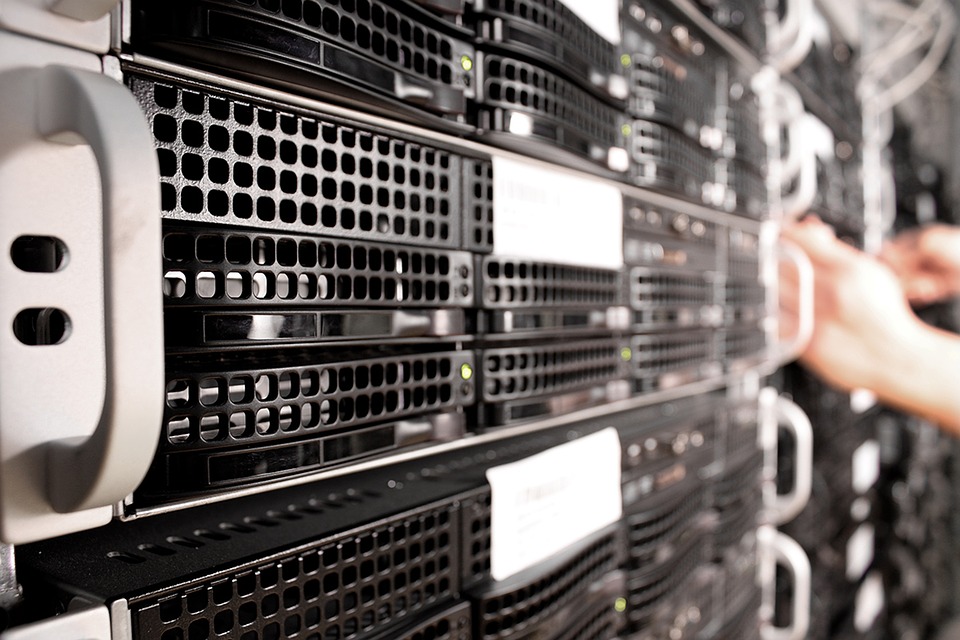 Technical features determine the performance capabilities of the server. Such include processing speed, RAM, operating system, SSD storage capabilities, and security features. Make sure that all the specifications of the server meet your required minimum spec requirements. If you are not tech savvy, you may need to consult an expert for guidance on the server specifications that will suit your needs.
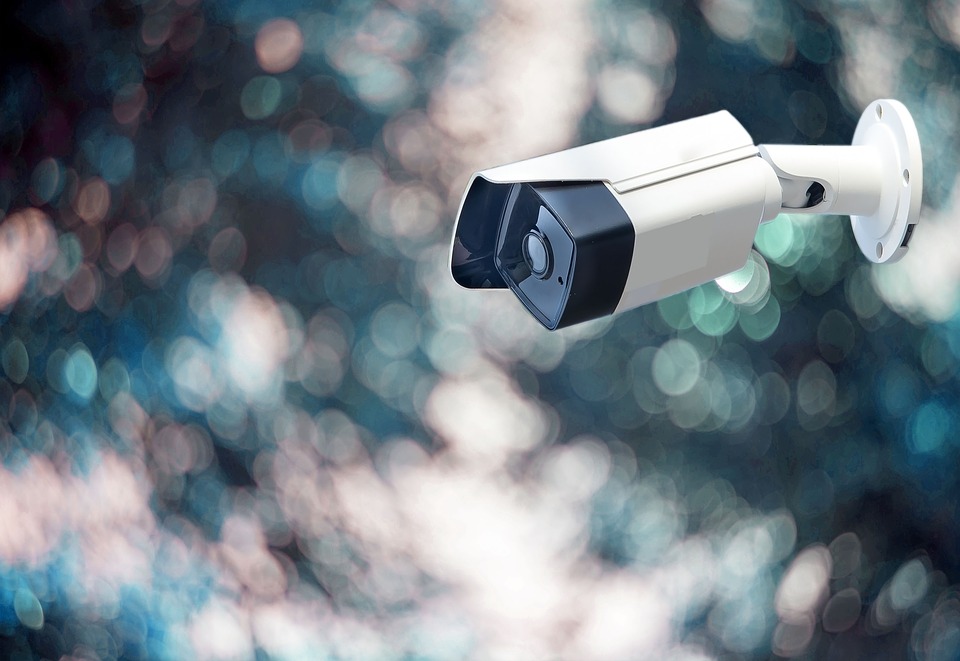
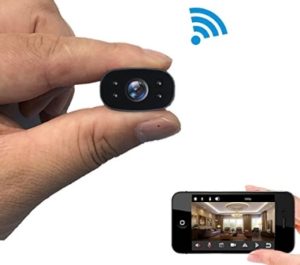 Spy cameras play a great role for spying purposes. Thus, they are required on a daily basis. You will find them in malls, shops, stores, offices, and streets. Their uses are varied, and you can use them according to your needs. Nowadays, there are several types on the market. Thus, choosing one that suits your needs can be quite confusing. You need to understand different factors to consider.
 The wireless connection technology helps solve this problem. They cannot be detected easily as they do not have a wire. Instead, they have a transmitter and receiver that are kept separately. However, they have limited reliability as they rely on the transmitter-receiver assembly to send visuals. This means that the signal strength will vary at times.

 The first aspect when