

Audio-visual systems are no longer just about sound and images. They have become intelligent platforms that collect and analyze information to improve performance. With the help of professional av integration services, organizations can harness these capabilities more effectively. They provide professional av integration services that are tailored to the needs of schools, businesses, and houses of worship. Data analytics provides insight into how systems are used and how they can be optimized. This shift allows businesses to maximize efficiency, reduce costs, and create better user experiences.
Understanding System Usage
Every interaction with an AV system generates data. From how often conference rooms are booked to which devices connect most frequently, this information builds a clear picture of usage patterns. Analytics help organizations understand what is working and what is not. By identifying peak usage times or underutilized equipment, businesses can make informed decisions about resource allocation. These insights ensure systems remain both effective and practical.
Enhancing User Experience
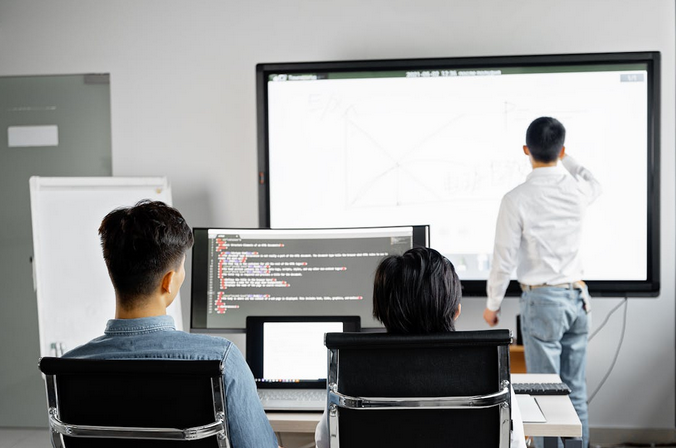
Data analytics has a direct impact on user satisfaction. By tracking performance metrics such as sound quality, connectivity speed, and video resolution, organizations can identify issues before they disrupt meetings or presentations. Systems can even be adjusted automatically to meet user needs. This unique responsiveness ensures that technology supports communication instead of creating barriers. As a result, employees and clients enjoy smoother interactions.
Optimizing Resource Management
Analytics make it easier to track and manage resources. Organizations can see how often rooms, displays, or projectors are in use. If a system is underutilized, it may be relocated or reconfigured. If another space is overbooked, more resources can be added. This kind of insight ensures that investments are aligned with actual needs. Businesses benefit from reduced waste and improved efficiency across their AV infrastructure.
Improving Security and Compliance
Security is a growing concern as AV systems become more connected. Data analytics plays a role in monitoring for unusual activity and potential risks. For instance, sudden spikes in network traffic could indicate unauthorized access attempts. Analytics also help organizations maintain compliance by recording usage and system access. These measures not only protect sensitive information but also strengthen trust among users and clients.
Predicting and Preventing Failures

One of the strongest advantages of data analytics is predictive maintenance. AV systems often face wear and tear, but analytics can detect early warning signs. For example, patterns in device errors may reveal that equipment is close to failure. Addressing issues before they escalate prevents downtime and saves money. This proactive approach offers the utmost value by extending system lifespan and reducing emergency repairs.
Supporting Remote and Hybrid Work
The rise of remote and hybrid work has placed new demands on AV systems. Analytics make it possible to evaluate how these systems perform across different environments. By measuring call quality, connection stability, and collaboration tool integration, organizations can make necessary adjustments. This ensures that remote workers have the same level of access and quality as those in the office. Data-driven improvements create a more inclusive and efficient work culture.
The role of data analytics in AV systems will continue to grow. As technology advances, analytics will become more precise and predictive. Organizations will not only monitor performance but also anticipate user needs before they arise. The combination of smart AV systems and data insights will redefine how people collaborate, learn, and share information. By embracing analytics, businesses position themselves to build systems that are efficient, secure, and user-friendly. The future of AV performance lies in understanding data and using it to create smarter, more adaptable environments.… Read the rest





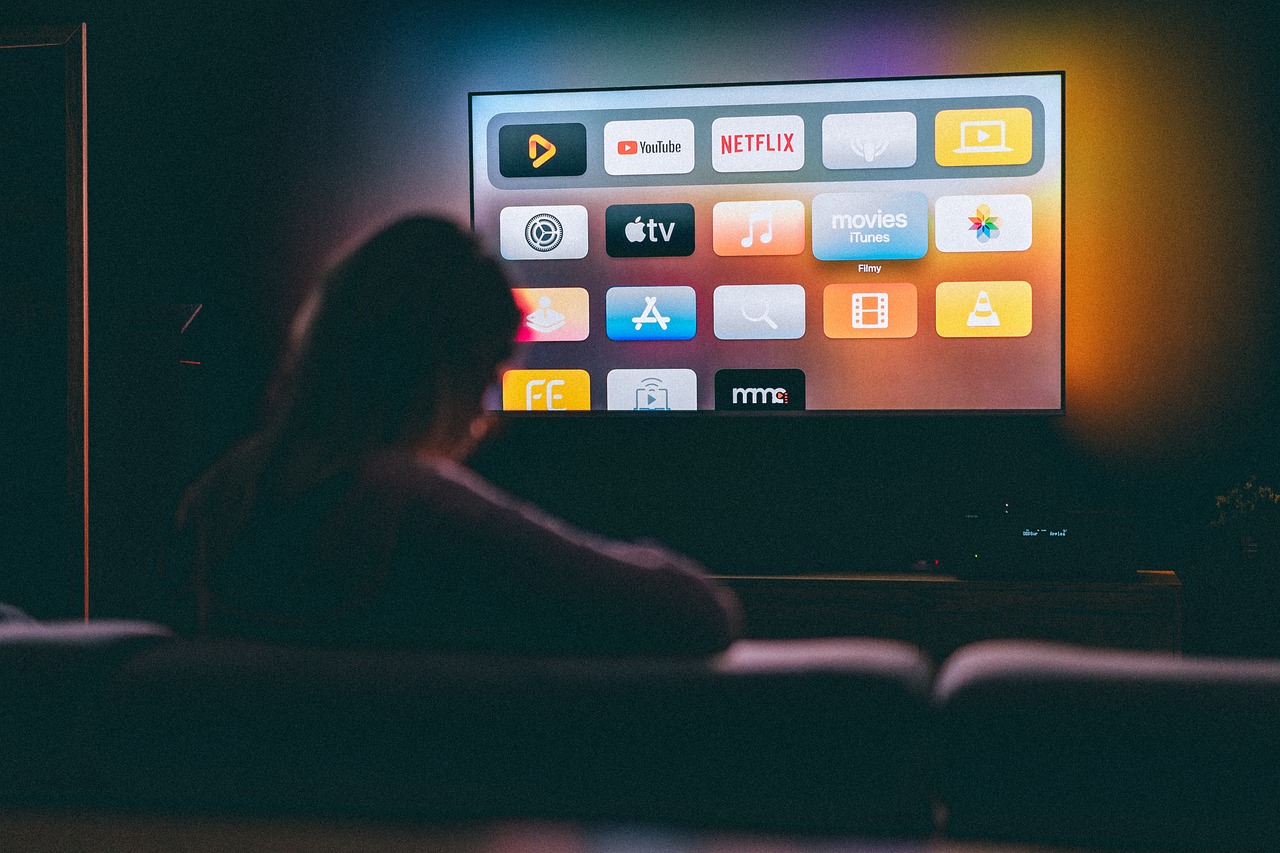
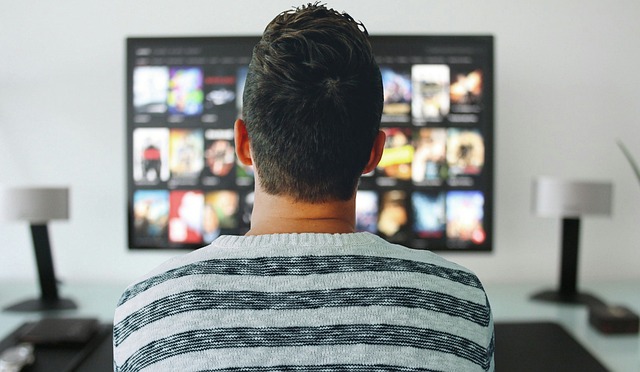

 As cable TV providers continue to raise prices, many consumers turn to streaming services as a more affordable alternative. Netflix, Hulu, and Amazon Prime Video offer monthly plans significantly cheaper than most cable TV packages. Transitioning to a streaming service is worth considering if you desire to reduce your spending on entertainment. The same TV series and films you watch on cable TV are available without costing as much every month.

 Finally, another sign that it’s time to upgrade your smartphone is when the design of your device starts to feel outdated. This can include a bulky and heavy design, a lack of a modern design like a bezel-less display, or a lack of protection against water and dust. If you are self-conscious about your device’s design or if it is no longer meeting your needs, it may be time to upgrade. If you’re experiencing any of these signs with your current device, it may be time to start shopping for a new one.
 Conventional alarm systems are the traditional types of fire alarms. This fire alarm system works by sending out an electrical signal to all building areas, which then triggers a loud noise or siren. The primary purpose of this type is to notify everyone in case there’s a problem to evacuate safely. This system is usually installed with other devices such as smoke detectors and heat sensors.
 The wireless fire alarm system is the most common type used today. This type works by connecting wireless devices that can communicate without any need for wiring or switches. The main advantage of this is flexibility, so different parts of the system can be easily added and customized if needed, making it very versatile. You can plug many new devices such as cameras, speakers, and motion detectors into the system.