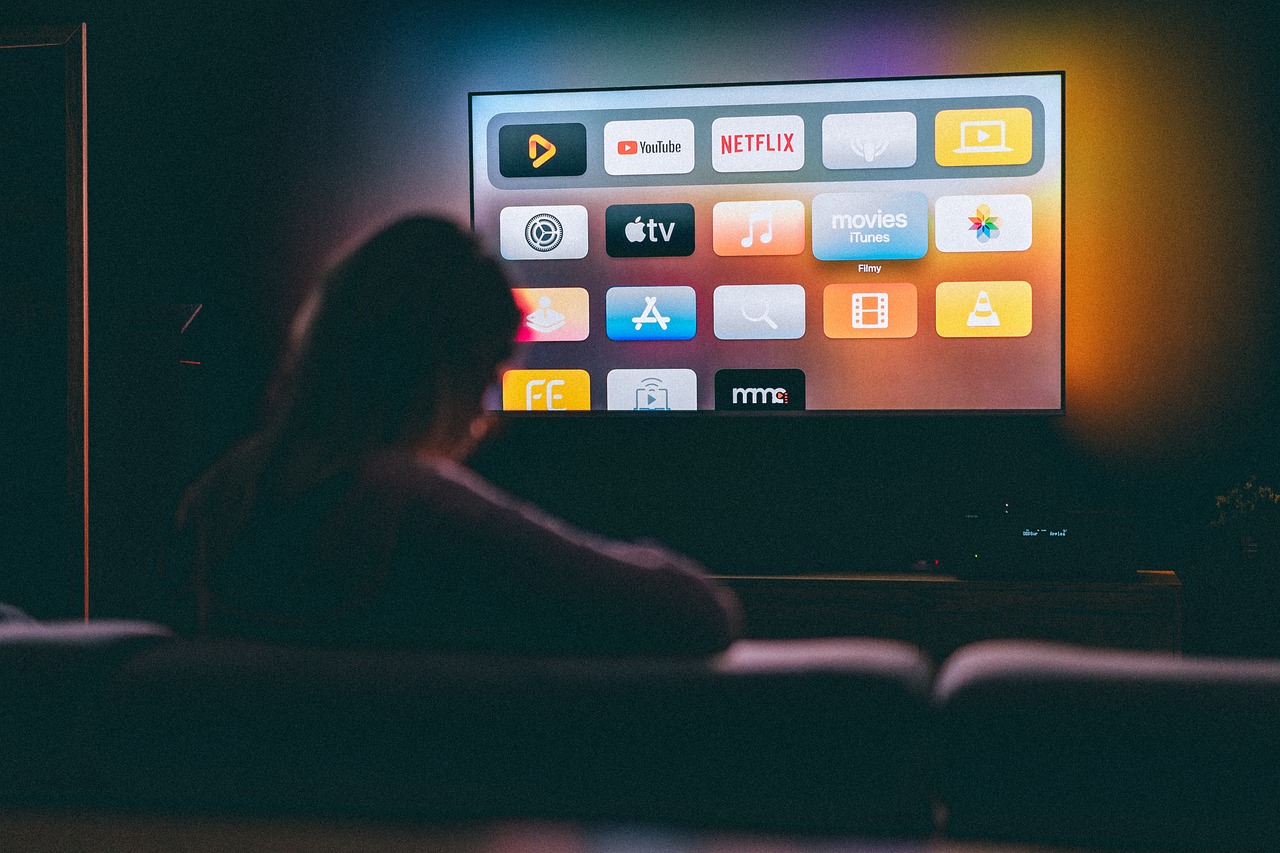
Watching blurry and low-quality content on your IPTV box can sometimes really ruin the mood. Many people struggle with getting the best picture and sound quality possible from their IPTV box. Though it may rarely occur if you use the best iptv service, the chance is still there.
The good news is that there are simple settings tweaks you can make to enhance your viewing experience like never before. In this blog post, we’ll highlight some easy-to-follow tips on how to optimize the resolution, brightness, contrast, sharpness, and more to ensure that you get the most out of your IPTV box.
Resolution
The resolution setting is one of the most significant factors affecting your IPTV viewing experience. It determines how clear and sharp the images on your screen will be. Most IPTV boxes come with a default resolution, which may not be the best for you. So, tweaking this setting can help you achieve clearer and sharper picture quality. To ensure that you’re getting the best out of your IPTV box’s resolution settings, start by adjusting it to match your TV’s native resolution. This means that if your TV supports 1080p (1920×1080), then set it to 1080p instead of 720p or any lower resolution. Keep in mind that higher resolutions require more bandwidth and processing power.
Brightness
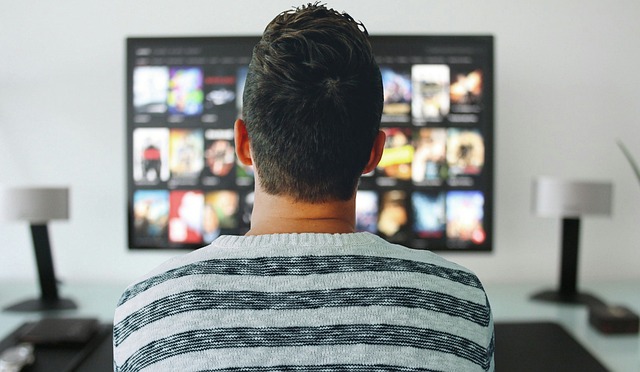
Now let’s talk about the brightness. It determines how much light your TV emits and can greatly affect how colors are perceived on the screen. To get the best possible screen quality, start by going into your IPTV box’s settings and finding the brightness option. From there, you can manually adjust the brightness level according to your preferences. A good starting point is usually around 50-60%, but feel free to experiment and see what works best for you. Keep in mind that having too high or low of a brightness level can negatively impact both image quality and eye strain. If your TV seems too bright even after adjusting it, try reducing the contrast as well.
Contrast
Contrast is another essential setting for tweaking your IPTV box for the best picture quality possible. It determines how dark or bright a certain part of the screen should be in relation to another. Having low contrast creates images that look dull and washed out, while high contrast can cause details to get lost in shadows or highlights. When adjusting the contrast on your IPTV box, you want to aim for a balance between brightness and darkness, ensuring that both are distinct. A good starting point would be setting it at 50% and slowly increasing or decreasing it until you achieve desirable results. If you’re watching TV in a well-lit room, lower contrast may work better for you than watching in complete darkness.
Sharpness
Last but not least, when adjusted correctly, the sharpness setting on your IPTV box brings out the finer details in images and text, providing a crisper and clearer picture quality. However, finding that perfect balance is crucial to avoid introducing unwanted artifacts or exaggerating noise. However, each TV model may have different optimal settings for sharpness. Therefore, experimenting with various levels will help you find what’s best suited for your device. Also, be mindful not to overdo this adjustment, as excessive sharpness can lead to a “halo effect” around objects or make the image appear overly processed. The goal here is to achieve a natural-looking picture without noticeable distortion.
Optimizing your IPTV box settings can greatly enhance the picture and sound quality of your viewing experience. It’s worth taking some time to experiment with these settings until you find what works best for you. With just a few tweaks here and there, you’ll be able to get the most out of your IPTV box and enjoy all of your favorite shows in stunning detail.… Read the rest
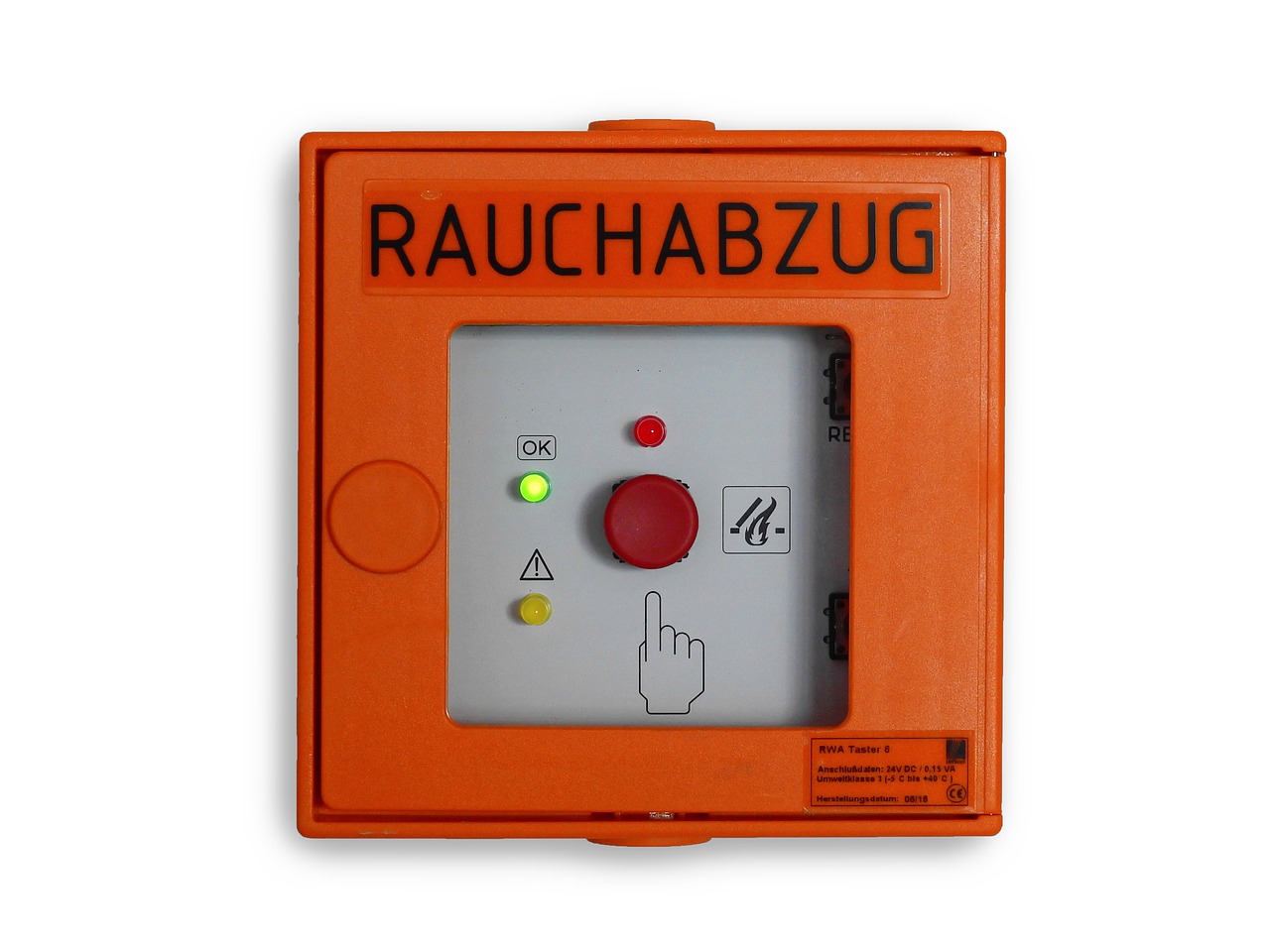
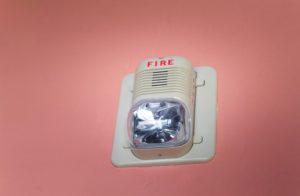 Conventional alarm systems are the traditional types of fire alarms. This fire alarm system works by sending out an electrical signal to all building areas, which then triggers a loud noise or siren. The primary purpose of this type is to notify everyone in case there’s a problem to evacuate safely. This system is usually installed with other devices such as smoke detectors and heat sensors.
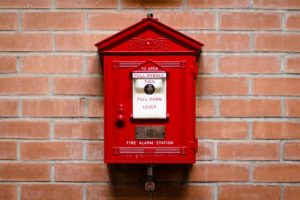 The wireless fire alarm system is the most common type used today. This type works by connecting wireless devices that can communicate without any need for wiring or switches. The main advantage of this is flexibility, so different parts of the system can be easily added and customized if needed, making it very versatile. You can plug many new devices such as cameras, speakers, and motion detectors into the system.